
Influencers · Technology reviewer and MKBHD founder
Marques Brownlee Built Authority One Useful Review at a Time
Before the cinematic studio shots, there was a teenager explaining the remote control that came with his laptop.
How did Marques Brownlee succeed?
Marques Brownlee succeeded by publishing useful technology videos consistently, improving production over time, and making products understandable through direct experience. Starting in 2009, he reviewed equipment he already owned. He built MKBHD alongside school and college, eventually combining polished presentation with clear judgments and a viewer-first editorial identity.
The story
In January 2009, Marques Brownlee recorded a video about the remote control supplied with his HP Pavilion laptop. He was a high-school student, and the subject was modest enough to fit the resources available to him. That small beginning matters because the later MKBHD aesthetic can obscure the original method. He did not start with a warehouse studio, advanced cinema equipment, or privileged access to every major product launch. He began by explaining something he had used. The first credential was the usefulness of the demonstration, not a professional title bestowed before the camera switched on.
Brownlee developed the channel while continuing his education, eventually studying business and technology at Stevens Institute of Technology. He graduated in 2015. His story therefore differs from the familiar dropout narrative: university and an independent creative apprenticeship ran alongside each other. The production skills were largely built through repeated video work, while his degree supplied relevant business and technology context. Stevens also placed him near New York companies and events. Treating him as completely outside formal education would be inaccurate; treating the diploma as a complete explanation for MKBHD would miss the years of self-directed practice that made the channel distinctive.
The early archive shows the value of beginning before the presentation is fully refined. Brownlee covered software, devices, and features, gradually improving his delivery and technical execution. The task was deceptively demanding. A useful review must distinguish a manufacturer's claim from what a person can actually observe, then translate that difference into a practical buying judgment. Specifications alone do not resolve whether a product is pleasant to use. His developing strength was combining familiarity with technology and a calm explanation of what that technology meant in daily life, without requiring every viewer to share his level of technical interest.
By early 2014, while still a student, Brownlee had reached one million subscribers. Later that year, his video testing a purported iPhone 6 sapphire display panel drew widespread attention. The panel supplied a concrete question and a visible experiment rather than an abstract discussion of rumors. It also illustrated the appeal of his broader format: take a much-discussed claim, put an object in front of the camera, and help the audience understand what can reasonably be concluded. The authority came from the demonstration and its explanation, not simply from being close to a major technology brand.
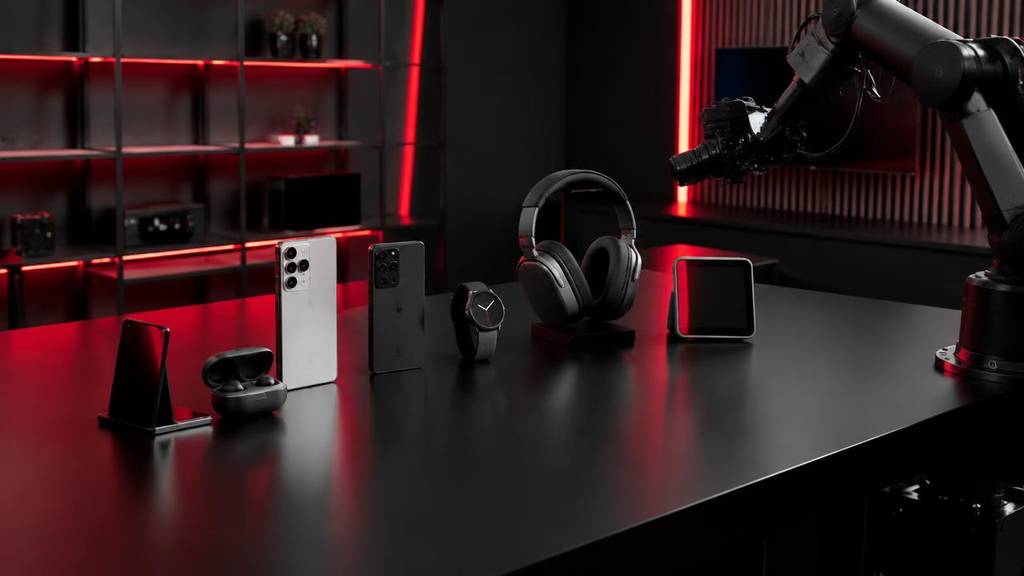
After graduation, Brownlee expanded into a full-time operation with collaborators, increasingly sophisticated production, and interviews with prominent technology leaders. MKBHD became known for controlled lighting, crisp product footage, and carefully composed images. The Waveform podcast, launched in 2019, added a conversational format for technology discussion. These developments widened the operation without eliminating its central obligation. A beautiful shot could make a device easier to inspect, but it could not substitute for an honest verdict. As the channel grew more commercially valuable, maintaining a visible distinction between audience service and manufacturer enthusiasm became increasingly important.
Brownlee's influence was especially apparent in 2024, when his sharply negative Humane AI Pin review triggered debate about the power of major reviewers. The episode underscored that credibility can become consequential enough to make companies uncomfortable. His broader lesson is not that expensive cameras produce authority, or that every reviewer should copy his restrained delivery. It is that clear explanations, firsthand use, and cumulative consistency can create a durable editorial identity. His education was hybrid: a completed degree, years of independent production, and a continuing public obligation to justify judgments in terms viewers can examine rather than merely accept.
The Cheat Code: shortcuts that worked
1. Cheat Code: Review the Accessory Already on Your Desk
Brownlee's early laptop-remote video required no launch invitation. Begin with a product you know well enough to explain more clearly than its existing documentation.
2. Cheat Code: Put the Claim on Camera
The sapphire-panel video made a disputed property tangible. Design safe, repeatable demonstrations that distinguish what you observed from what a company promises.
3. Cheat Code: Upgrade the Bottleneck, Not the Status Symbol
MKBHD's polish accumulated over years. Improve the weakest part of your current explanation or production before buying equipment associated with established creators.
4. Cheat Code: Make the Verdict Useful to a Buyer
A review should explain who benefits, what disappoints, and which trade-offs matter. Separate visual admiration from a recommendation to spend money.
Your plan to do the same
- Choose one device you have used long enough to identify both a strength and an everyday frustration.
- Write a review around three buyer questions instead of reproducing the specification sheet.
- Film direct evidence for each major judgment, including limitations of your testing.
- Improve one production variable per upload, beginning with intelligible sound and readable demonstrations.
- Publish a clear policy distinguishing review access, sponsorship, and editorial conclusions.
- Revisit an earlier product after extended use to test whether your initial verdict still holds.
Frequently asked questions
Did Marques Brownlee graduate from college?
Yes. Brownlee graduated from Stevens Institute of Technology in 2015 after studying business and technology. He built MKBHD while attending school and college. His career combines formal education with self-directed learning in filming, editing, reviewing products, and operating a growing digital media business.
What was Marques Brownlee's first technology video?
His first technology upload in January 2009 reviewed the remote control that came with his HP Pavilion laptop. That modest subject illustrates his original approach: explain equipment already available to him. The channel's later production scale developed gradually rather than appearing fully formed in its first uploads.
Why is MKBHD influential in technology reviews?
Brownlee built a large audience through years of clear explanations, firsthand product use, and increasingly polished production. His influence comes from the accumulated relationship between those videos and viewers making technology decisions. High-profile interviews broadened his visibility, but the review format remains central to his reputation.