Influencers · Beauty-video pioneer and cosmetics entrepreneur
Michelle Phan Turned the Makeup Tutorial Into a New Career
She made a small screen feel like a patient lesson, then discovered that building a beauty business required another kind of education.
How did Michelle Phan succeed?
Michelle Phan succeeded by making makeup instruction accessible through carefully edited YouTube tutorials, beginning in 2007. Voiceover, close demonstrations, and recognizable transformations helped viewers learn and share her work. She translated that trust into a Lancôme role, co-founded Ipsy, and later took greater control of EM Cosmetics.
The story
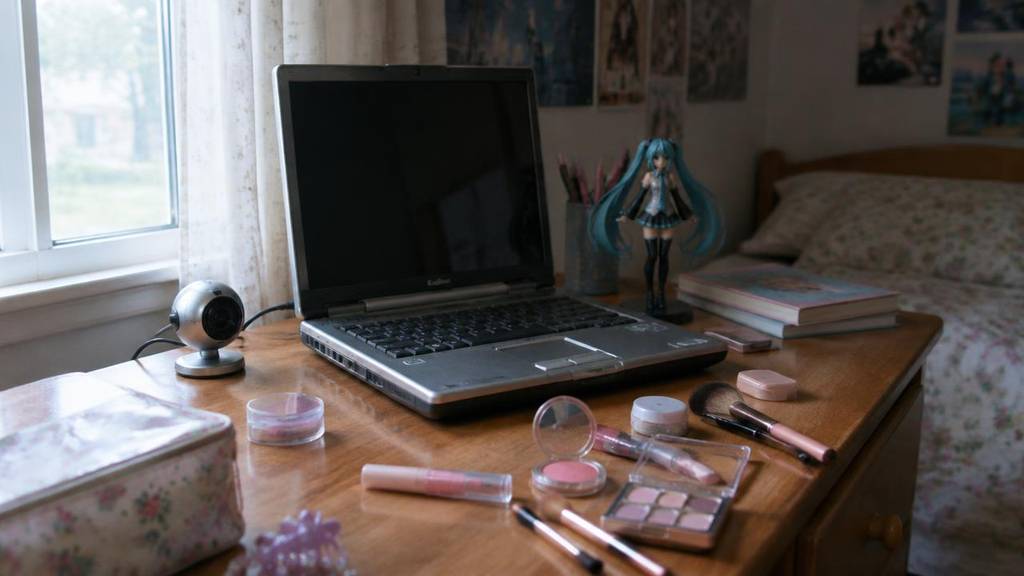
Michelle Phan's early beauty work began with a familiar internet exchange: she shared makeup looks online, and readers wanted to know how to reproduce them. A still photograph could show a finished face, but it could not fully explain the movement of a brush or the gradual construction of an eye look. In May 2007, Phan began posting tutorials on YouTube. The equipment was modest, including a webcam. The opportunity was not. Online video could turn a private beauty routine into a repeatable lesson that viewers could pause, revisit, and attempt at their own pace.
Phan had attended Ringling College of Art and Design but left without completing her degree because of financial constraints. That background matters: she was not untouched by formal creative education, yet her eventual career was not the straightforward result of graduating into an established professional pipeline. The online tutorial business was still taking shape. She learned its production demands by making the work herself, combining images, editing, music, titles, and voiceover. Rather than treating technical limitations as a reason to wait, she built an instructional style around the resources she could access and the questions viewers were already asking.
Her videos often offered a clear destination before the lesson began. A viewer could see the transformation, understand the desired result, and follow the sequence of actions needed to approach it. That structure became especially powerful when attached to recognizable cultural references. Her Lady Gaga-inspired makeup tutorials in 2009 and 2010 drew substantial attention as the singer's visual identity circulated widely online. Phan was not merely discussing a celebrity. She was offering viewers a way to participate in an image they already wanted to understand, making popular culture searchable, practical, and personally usable.
In 2010, Lancôme named Phan its official video makeup artist, recognizing the authority she had established outside the traditional beauty-editor and advertising system. She later co-founded the business that became Ipsy, launched in 2011. Its subscription model connected beauty discovery with products that subscribers could try themselves. The move extended the logic of her tutorials: demonstration could generate curiosity, and sampling could turn curiosity into experience. It also moved her into a field with different demands. Subscriber expectations, commercial partnerships, and physical products required systems that were more complex than producing another successful upload.
EM Cosmetics launched with L'Oréal in 2013, but the first version did not become the uncomplicated triumph its famous founder might have suggested. Phan eventually acquired the brand and relaunched it independently in 2017 with a more focused product offering. She also stepped away from the relentless visibility associated with her early creator career. Those changes are essential to the story because they interrupt the fantasy of frictionless expansion. An audience can create an opportunity without guaranteeing that the product, price, positioning, and business arrangement will work. Ownership allowed her to reconsider the venture rather than remain fixed inside its original form.
Phan's lasting contribution was to help establish that a creator could teach beauty directly, develop an audience relationship, and build commercial opportunities from that expertise. Her method joined visual imagination with patient explanation, not simply attractiveness or access to products. Her later decisions add a second lesson: the first successful format does not have to dictate the rest of a working life. She learned in public, entered major partnerships, encountered limits, and revised the structure around her ambitions. The self-directed thread is not an absence of all schooling; it is her repeated willingness to build knowledge where no settled career map adequately existed.
The Cheat Code: shortcuts that worked
1. Cheat Code: Show the Destination Before the Lesson
A finished transformation gives viewers a reason to follow each step. Open instruction with a clear result, then explain the sequence needed to reach it.
2. Cheat Code: Let Voiceover Do the Teaching
Phan separated visual demonstration from explanatory narration. Record the action cleanly, then add a voiceover that clarifies decisions without competing with live performance.
3. Cheat Code: Translate a Cultural Image Into a Skill
Her Lady Gaga tutorials connected existing curiosity to practical instruction. Choose a recognizable look only when you can genuinely explain how its visual components work.
4. Cheat Code: Reconsider the Business, Not Just the Branding
The independent EM Cosmetics relaunch involved control and product focus. When an offer disappoints, examine ownership, pricing, and assortment rather than merely refreshing its promotional images.
Your plan to do the same
- Choose one transformation with a recognizable final result and a realistic beginner audience.
- Break the look into a sequence of visible actions, naming the purpose of each step.
- Film close demonstrations and record a separate explanatory voiceover.
- Publish a companion list of substitutions so viewers are not dependent on identical products.
- Use audience questions to identify a discovery or sampling problem your teaching does not yet solve.
- Before launching a product partnership, review control, pricing, quality, and exit provisions with qualified advisers.
Frequently asked questions
When did Michelle Phan start YouTube?
Phan began posting makeup tutorials on YouTube in May 2007 after sharing beauty material through blogging. Her early videos used accessible equipment and clear demonstrations. Celebrity-inspired transformations, including Lady Gaga looks, later helped bring her instructional style to a much larger audience.
Did Michelle Phan finish art school?
Phan attended Ringling College of Art and Design but left before completing her degree because of financial constraints. The college later awarded her an honorary doctorate in 2014. Her online career developed through independent video production, although her earlier exposure to formal art education remains part of her background.
What happened to Michelle Phan's EM Cosmetics?
EM Cosmetics originally launched with L'Oréal in 2013. Phan later acquired the brand and relaunched it independently in 2017 with a more focused offering. That history distinguishes the original corporate partnership from the later business she controlled, rather than describing both phases as one unchanged launch.