
Entrepreneurship · Spanx founder and product entrepreneur
Sara Blakely Turned an Undergarment Problem Into Spanx
A fax-machine salesperson with no fashion credentials found a problem in her own closet—and learned enough of the industry to fix it.
How did Sara Blakely succeed?
Sara Blakely succeeded by turning a personal clothing frustration into a demonstrable product, then teaching herself the manufacturing, patent, and retail skills needed to sell it. She started Spanx with $5,000 in savings, kept her sales job during development, and won buyers through persistence and persuasive demonstrations.
The story
Before Spanx, Sara Blakely spent her workdays selling fax machines door to door in Florida. It was an education in being dismissed: office doors closed, prospects disappeared, and a stranger's attention had to be earned quickly. She had graduated from Florida State University with a communications degree in 1993, but she had no formal training in fashion, textile manufacturing, or running an apparel business. The sales job supplied something more immediately useful: practice explaining why a product deserved a chance, even when the person across the desk had already decided otherwise.
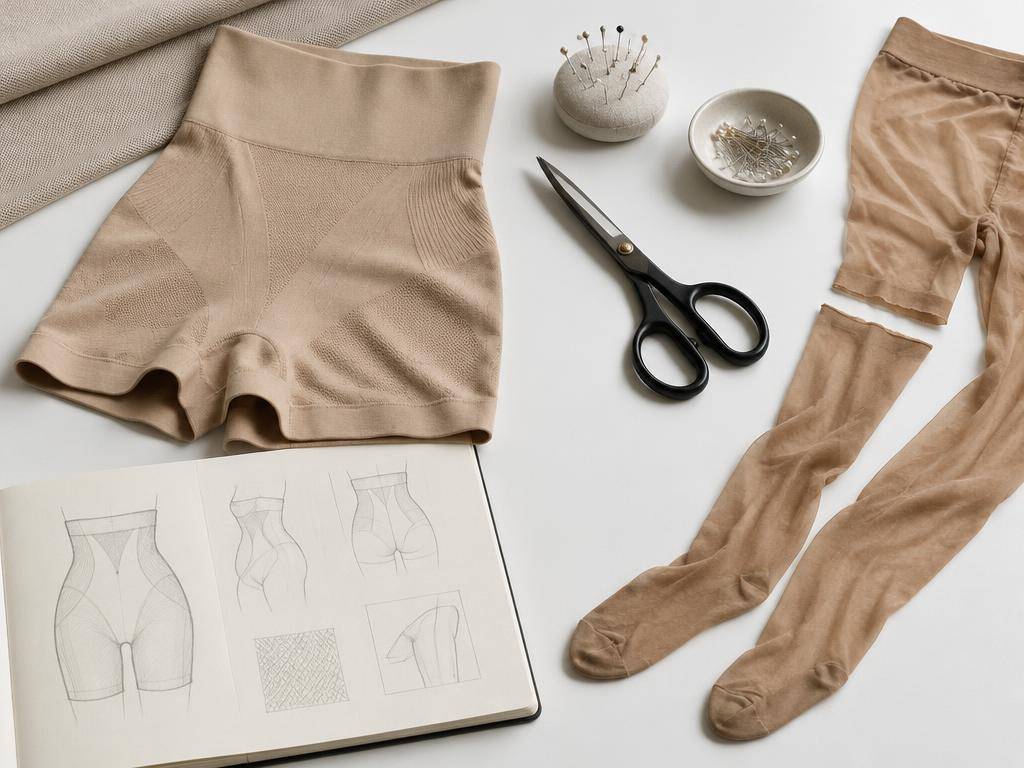
The product idea began with a pair of white pants. In 1998, Blakely wanted the smoothing effect of control-top pantyhose without covered feet showing through open-toed shoes. She cut the feet off a pair herself. The improvised garment rolled up, but the effect under her clothes was promising. That distinction mattered: her first version was not a finished invention, only evidence of an unmet need. Rather than wait for professional validation, she treated her own wardrobe problem as a starting specification and began investigating how a better version could be made.
Blakely committed roughly $5,000 in savings while continuing to sell fax machines. She researched patents, studied hosiery, and contacted manufacturers in North Carolina. Telephone pitches went nowhere, so she visited mills in person. Most of the people evaluating her idea were men who did not wear the garments she was trying to improve. One mill owner eventually agreed to help after discussing the idea with his daughters. The breakthrough was not a glamorous investor meeting. It was finding a manufacturer willing to take an unfamiliar consumer complaint seriously enough to experiment with it.
Money shaped how she learned. Blakely could not afford to outsource every unfamiliar task, so she researched patent procedures and drafted much of her application herself, then obtained professional help with the legal work. She also chose a deliberately memorable name: Spanx. The packaging stood apart from the restrained imagery common in the category, using bright red and an irreverent personality. These decisions were not substitutes for a working garment. They made the working garment easier to notice, remember, and discuss in an aisle full of products promising broadly similar benefits.
Her decisive retail pitch put the product's effect ahead of a polished presentation. In a meeting with a Neiman Marcus buyer, Blakely offered a before-and-after demonstration in the restroom, showing how the garment changed the appearance of her pants. The buyer placed an order for seven stores. Blakely then worked to create demand around those early placements, calling people she knew and asking them to visit stores. She also spent time on retail floors explaining the product herself. Getting stocked was not the finish line; it created a new obligation to help shoppers understand it.
Spanx launched in 2000, and that November Oprah Winfrey selected it for her Favorite Things list. The endorsement brought an extraordinary burst of attention to a young company, but there was already a product, packaging, inventory, and a retail foothold for that attention to land on. Blakely's story is sometimes compressed into a celebrity-discovery moment. The more instructive sequence runs in the opposite direction: years of selling experience, a scrappy prototype, manufacturing persistence, and direct demonstrations created something that a powerful recommendation could amplify. Publicity accelerated the business; it did not invent its underlying usefulness.
By 2012, Forbes recognized Blakely as a self-made billionaire. In 2021, Blackstone announced a majority investment in Spanx at a $1.2 billion valuation, with Blakely retaining a significant stake. Those outcomes were far removed from her first cut-up pair of pantyhose, but the central method remained recognizable. She had not needed a fashion degree to identify an overlooked use case. She did need to learn the unglamorous machinery around it: production, intellectual property, packaging, buyers, and customer education. Her advantage was not ignorance of the industry; it was refusing to let that initial ignorance remain permanent.
The Cheat Code: shortcuts that worked
1. Cheat Code: Cut Up the Existing Solution
Blakely started by altering pantyhose she already owned. Modify the closest available product to test the desired effect before paying to manufacture something entirely new.
2. Cheat Code: Keep the Fax-Machine Paycheck
She retained her sales job while developing Spanx. Give your experiment a defined savings budget and protect the income that lets you reject rushed or expensive decisions.
3. Cheat Code: Take the Buyer to the Before-and-After
Her Neiman Marcus demonstration made the benefit visible immediately. Design a side-by-side demonstration that lets a buyer experience the difference instead of interpreting your claims.
4. Cheat Code: Sell Through the First Seven Stores
An initial retail order was only the beginning. Blakely supported early placements with personal outreach and in-store selling; concentrate your launch effort wherever the product is actually available.
Your plan to do the same
- Tonight, identify one recurring annoyance in something you wear or use, and write the exact situation in which it fails.
- Alter an inexpensive existing product to demonstrate the improvement; photograph the original and modified versions under identical conditions.
- Set a development budget you can fund without leaving your current source of income.
- List ten relevant manufacturers and ask what materials, minimum orders, and production constraints your modification would involve.
- Prepare a two-minute before-and-after demonstration and show it to five people who experience the same problem.
- Pitch one tightly matched retailer or sales channel, then write a plan for personally helping its first customers understand the product.
Frequently asked questions
Did Sara Blakely go to fashion school?
No. Sara Blakely graduated from Florida State University with a communications degree in 1993. She had no formal fashion or textile-manufacturing education when she developed Spanx. She learned through product experimentation, patent research, manufacturer conversations, and the practical selling experience she gained before starting the company.
How much money did Sara Blakely start Spanx with?
Blakely started developing Spanx with about $5,000 in personal savings. She continued working in fax-machine sales while pursuing the idea, which helped cover her living costs. Her early approach emphasized doing research herself, limiting expenses, and securing manufacturing and retail support before building a large organization.
How did Sara Blakely get Spanx into Neiman Marcus?
Blakely secured a meeting with a Neiman Marcus buyer and demonstrated the garment's effect through a before-and-after comparison in the restroom. The buyer ordered Spanx for seven stores. Blakely then helped support those placements through personal outreach and direct explanations to shoppers on retail floors.