
Business · FUBU co-founder and brand investor
Daymond John Built FUBU Where Fashion and Community Met
Before Shark Tank, he was selling hats in Queens and turning cultural fluency into a business customers recognized as their own.
How did Daymond John succeed?
Daymond John succeeded by building FUBU around a community he understood firsthand. He tested demand with handmade hats, financed early work through employment and family support, and partnered with friends who supplied complementary strengths. Strategic exposure through hip-hop artists helped convert limited inventory and a clear cultural identity into wider retail demand.
The story
Daymond John grew up in Hollis, Queens, where hip-hop was part of neighborhood life rather than a marketing category discovered in a corporate office. Born in 1969, he attended Bayside High School but did not go to college or fashion school. He worked a range of jobs and became familiar with the everyday buying decisions of people around him. The future brand began with a useful form of proximity: he understood the music, style, aspirations, and frustrations of the customers he hoped to serve because he shared much of their world.
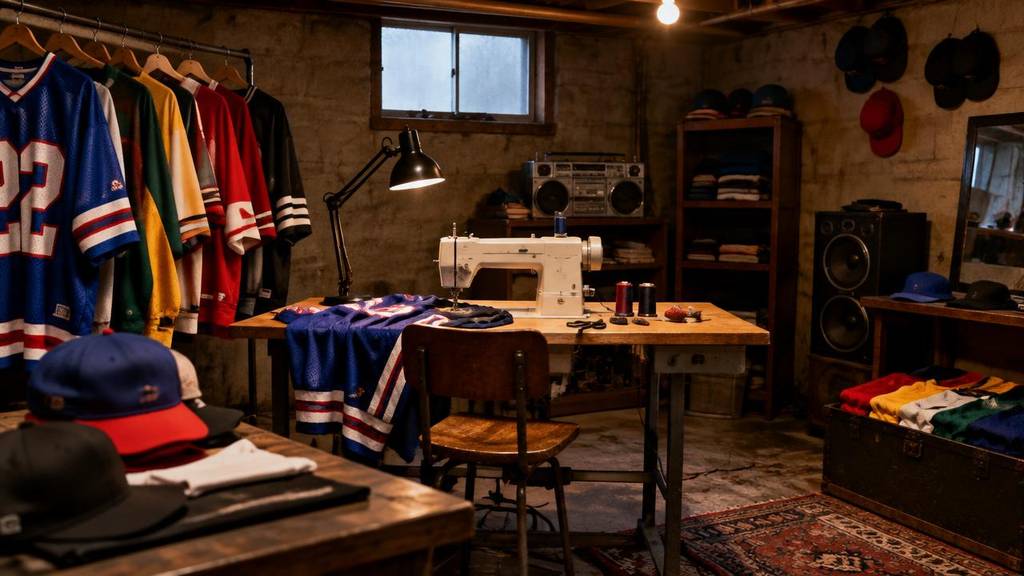
One early product was a wool hat with a tied top, inspired by a popular style that John believed could be made and sold for less. With his mother's help, he learned to sew and produced his own versions. He sold the hats on the streets of Queens, testing whether strangers would exchange money for something he had made. That experiment provided clearer evidence than compliments from friends. A sale tested the design, the price, the setting, and his ability to explain the offer, all within a transaction small enough to repeat.
FUBU, short for For Us, By Us, developed around John and his partners J. Alexander Martin, Keith Perrin, and Carlton Brown. The company dates its founding to 1992. Its identity was not merely a logo applied to generic clothing; the name declared who the brand intended to represent. John continued working at Red Lobster while pursuing the business, using wages to help support the venture. This was not a frictionless leap from a bright idea to full-time entrepreneurship. Outside employment gave the project time to develop before it could reliably carry his living costs.
His mother became an essential backer, including mortgaging the family home to help finance the operation. Their house functioned as a production base, collapsing the distance between domestic space and business space. The arrangement supplied resources that the young founders could not easily obtain from conventional lenders. It also created genuine family risk. Retellings that describe only resourcefulness miss that exposure. Sewing, packing, promoting, and trying to fulfill orders were tangible work, while the financial obligations remained real whether or not the next retailer agreed to buy.
Limited inventory encouraged creative promotion. FUBU clothing circulated through relationships with musicians and appeared in music videos, giving the brand visibility beyond what its advertising budget could purchase. LL Cool J, another figure with roots in Queens, became especially important to that public association. In a 1997 Gap commercial, he wore a FUBU cap and included the phrase For Us, By Us in his performance. That moment captured the brand's cultural reach, but it rested on earlier relationship-building and products people were already willing to wear.
Demand and financing had to catch up with visibility. The founders pursued retail orders and eventually secured a major relationship with Samsung's textile operation that supported production and distribution. Scaling apparel meant more than producing attention: fabric, manufacturing schedules, sizes, quality, delivery, and payment terms could determine whether apparent success became cash or crisis. FUBU's growth therefore required John to move beyond being a street-level seller. He and his partners had to negotiate with larger organizations while protecting an identity that made the brand valuable in the first place.
John joined Shark Tank when the program debuted in 2009, turning years of entrepreneurship into a public role as an investor and adviser. That later visibility can obscure how specific FUBU's original advantage was. It came from belonging to a community, testing products directly, pooling a founding team's capabilities, and making scarce garments appear in influential settings. The lesson is not that every startup needs celebrity endorsement. It is that authentic access to a tightly connected audience can substitute for some advertising expenditure—provided production, financing, and delivery eventually become as credible as the story.
The Cheat Code: shortcuts that worked
1. Cheat Code: Test the Hat Before the Collection
John began with a product he could make and sell directly. Validate one wearable item at a real price before financing a broad range of colors, sizes, and styles.
2. Cheat Code: Keep Wages While Demand Develops
Restaurant employment helped support the early venture. Preserve an income source long enough to distinguish repeatable customer demand from the excitement of launching.
3. Cheat Code: Let Cultural Access Replace Ad Spend
FUBU used genuine music-community relationships to gain exposure. Place products with people already connected to your audience rather than buying unrelated fame.
4. Cheat Code: Make the Brand Name State the Constituency
For Us, By Us communicated belonging immediately. Express whose needs and perspective guide the product, then make sourcing, design, and promotion support that claim.
Your plan to do the same
- Choose a community whose daily style decisions you understand from direct participation.
- Produce one small apparel batch and sell it personally to people outside your immediate family.
- Record unit cost, selling time, buyer objections, and actual repeat purchases.
- Divide design, sales, logistics, and finance responsibilities among named partners.
- Arrange relevant product exposure only after confirming you can fulfill resulting orders.
- Negotiate production funding against a realistic delivery and cash-collection schedule.
Frequently asked questions
Did Daymond John go to fashion school?
No. John attended Bayside High School but did not attend college or fashion school. He learned sewing with his mother's help and developed business skills through direct selling, employment, partnerships, and building FUBU. His experience combined cultural knowledge with practical lessons in promotion, apparel production, financing, and distribution.
What does FUBU stand for?
FUBU stands for For Us, By Us. The name expressed the founders' intention to create a brand rooted in the community and culture they knew. John built the business with J. Alexander Martin, Keith Perrin, and Carlton Brown, making it a collaborative venture rather than a one-person success story.
Did Daymond John work at Red Lobster while building FUBU?
Yes. John worked at Red Lobster during FUBU's early development, helping support himself while the business grew. The overlap is important because it challenges the idea that commitment always requires immediately quitting a job. Wages gave him time and some financial support while customer demand and operating capability developed.