
Entrepreneurship · Food blogger, cookbook author, and host of The Pioneer Woman
Ree Drummond Built a Cooking Classroom One Photograph at a Time
Before the television kitchen came the blog post: ingredients, intermediate steps, and enough personality to make readers return.
How did Ree Drummond succeed?
Ree Drummond succeeded by combining self-taught cooking and photography with unusually detailed recipe blogging. She showed intermediate steps, connected food to family life on an Oklahoma ranch, and built a returning readership before expanding into cookbooks, television, and retail. Her early advantage was making home cooking visible, personal, and repeatable.
The story
In 2006, Ree Drummond began a blog that made everyday life on an Oklahoma cattle ranch available to readers far beyond it. The setting was distinctive, but the publishing technology was accessible: write a post, add photographs, and keep returning. Born Anne Marie Smith on January 6, 1969, in Bartlesville, Oklahoma, Drummond had not trained as a chef. She graduated from the University of Southern California in 1991. Her eventual teaching platform developed outside culinary school, through home cooking, self-directed photography, and the practical demands of making a website worth visiting again.
Her marriage to Ladd Drummond in 1996 placed ranch life at the center of the story readers would later follow. The blog combined family observations, humor, animals, and daily routines with food. That mixture mattered. A recipe could solve tonight's dinner problem, while a continuing personal narrative gave the visitor a reason to return tomorrow. Drummond was not simply uploading a digital recipe card. She was creating a recognizable publishing voice and environment. The food belonged to people, schedules, and appetites, making the instruction feel connected to an actual household rather than an anonymous test kitchen.
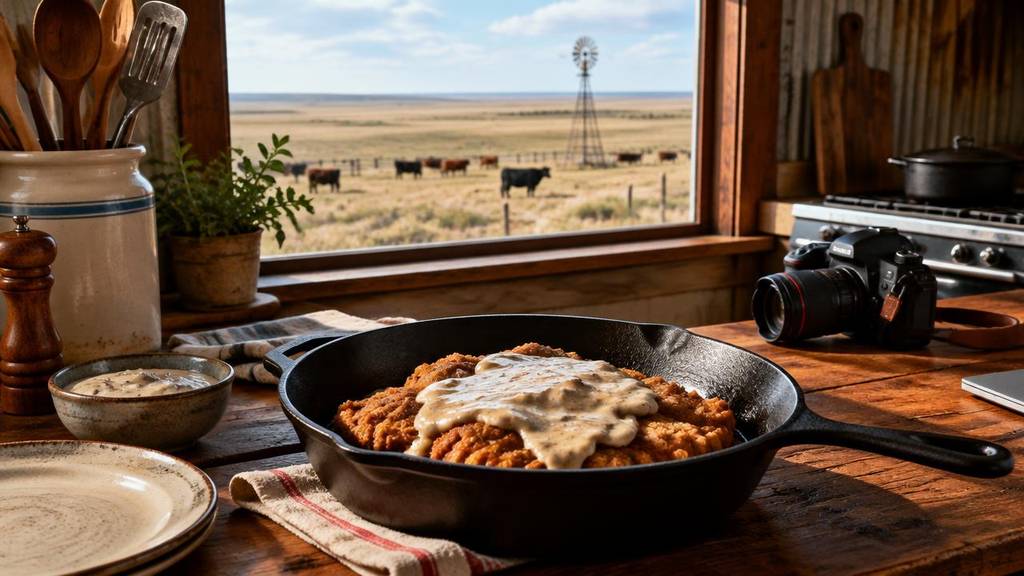
A major strength was step-by-step photography. Instead of showing only a finished dish, Drummond photographed the process: ingredients entering a bowl, changes in texture, a pan before and after cooking. For a confident cook, such images might appear excessive. For a beginner, they supplied missing information. Written directions often assume the reader knows what a stage should look like. An intermediate photograph can answer whether a mixture is too thick or whether the food has reached the expected color. Drummond made that visual reassurance part of the lesson and part of the site's appeal.
The Pioneer Woman Cooks, her first cookbook, appeared in 2009. Food Network launched The Pioneer Woman in 2011, moving an established online identity into television. The order is important: the audience and teaching style existed before the broadcast platform. Television did not have to invent an unfamiliar persona from scratch. It adapted a world readers already recognized, with food, family, and ranch life reinforcing one another. Her recipes generally addressed home cooks seeking generous, familiar meals rather than professional certification. The authority was experiential and domestic, supported by clear demonstration and continuity of voice.
The enterprise expanded well beyond the original blog. A branded line of home and kitchen products launched at Walmart in 2015, and the Drummonds opened The Mercantile in Pawhuska, Oklahoma, in 2016. Those developments reflected a brand that had become larger than instructions alone. Readers and viewers recognized a style of hospitality, a visual palette, and a setting. But the early teaching mechanism remained unusually concrete. The blog gave people a way to inspect a recipe's path before risking their own ingredients. That reduced uncertainty and helped a remote reader feel accompanied through the work.
Drummond's path is not a universal formula for turning domestic life into a large business. Timing, distribution, resources, and a distinctive setting all mattered. The transferable principle is narrower and more practical: document the part an expert is tempted to skip. If a learner cannot tell whether a sauce looks right halfway through, a glamorous final image offers limited help. Her example shows how a self-directed skill can become useful instruction through careful observation and consistent publication. Teach the transitions, not merely the outcome, and let a recognizable voice give people a reason to stay.
The Cheat Code: shortcuts that worked
1. Cheat Code: Photograph the Unfinished Food
Capture the batter, browned meat, or thickening sauce before the final presentation. Intermediate states answer the questions a finished-dish photograph cannot.
2. Cheat Code: Put Dinner in a Real Schedule
Explain who the meal serves and when it needs to be ready. Context helps readers judge portions, effort, and whether a recipe fits their household.
3. Cheat Code: Caption the Change
Use each process image to explain a transformation in texture, color, or consistency. Avoid captions that merely repeat the ingredient name.
4. Cheat Code: Build a Returning Kitchen
Publish related recipes in a consistent voice so readers can learn your assumptions. Familiarity reduces the effort required to try the next dish.
Your plan to do the same
- Select a family recipe you have cooked successfully more than once.
- Write the ingredients and method before beginning the next test.
- Photograph every stage where appearance tells the cook something important.
- Add captions explaining what changes and what the learner should notice.
- Ask a less experienced cook to follow the instructions without verbal assistance.
- Revise the confusing steps and publish the recipe with its practical household context.
Frequently asked questions
Did Ree Drummond attend culinary school?
Drummond did not attend culinary school. She graduated from the University of Southern California and developed her cooking and food-publishing skills outside professional chef training. The Pioneer Woman grew from home cooking, photography, writing, and regular online publication rather than a restaurant apprenticeship or culinary-school qualification.
When did Ree Drummond start The Pioneer Woman?
Drummond began blogging in 2006. The site combined ranch and family stories with photography and increasingly prominent cooking content. Her first cookbook appeared in 2009, and Food Network launched The Pioneer Woman in 2011, bringing an audience-tested online identity into a nationally distributed television format.
Why did The Pioneer Woman's recipe photos stand out?
Drummond showed many intermediate cooking stages, not just an appealing finished plate. Those photographs helped inexperienced readers check color, consistency, and progress as they worked. Combined with conversational explanation, the sequence made a recipe feel guided and reduced the uncertainty that often makes beginners abandon unfamiliar dishes.